


As our hormones shift, whether through perimenopause, menopause, PCOS, endometriosis, or any of the seasonal changes our bodies go through, something happens that most women don’t see coming.
Our insulin sensitivity changes. Our blood sugar becomes less stable. And suddenly, the way we used to eat doesn’t work the same way anymore.
If that’s you, if you’re doing everything you’ve always done and something feels off, it’s not because you’re doing it wrong. It’s because your body has changed. And fiber is the tool that helps you regulate what’s happening on the inside.
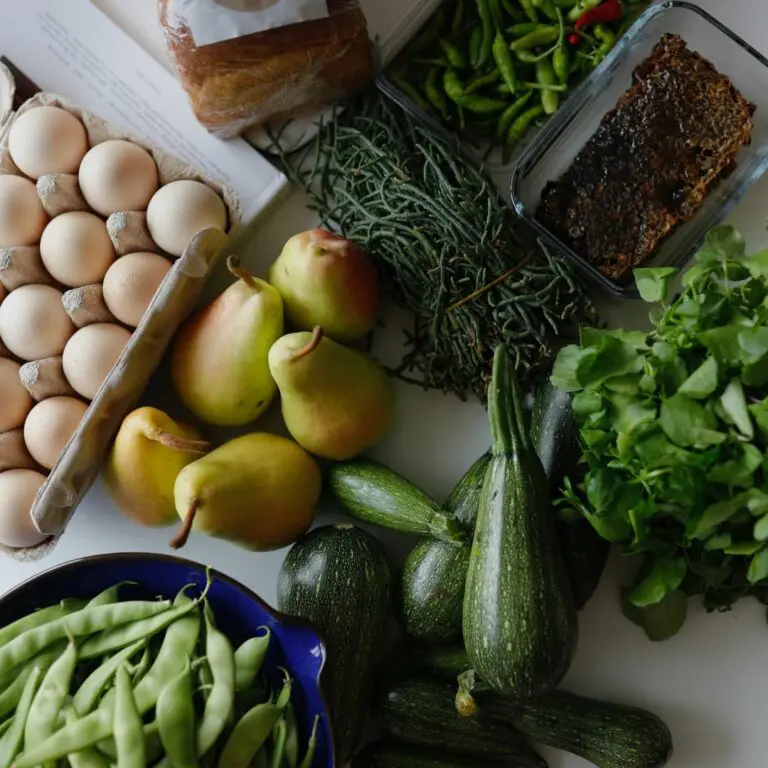
WHY FIBER BECOMES ESSENTIAL WHEN HORMONES SHIFT
When our hormones change, whether it’s the fluctuation of perimenopause, the decline of menopause, the insulin resistance of PCOS, or the inflammation of endometriosis, our body becomes more insulin resistant. That means our blood sugar destabilizes more easily. Our cravings intensify. Our energy crashes harder.
This is where fiber becomes essential. Fiber is the tool that helps regulate blood sugar when your hormones are no longer doing that job for you.
It steadies your energy. It quiets the cravings. It supports your gut bacteria, which directly affects how your hormones metabolize. And it literally helps remove old hormones from your body.
Your gut and your hormones are in constant conversation. When fiber is missing, that conversation breaks down. When it’s present, everything stabilizes. Your mood, your energy, your skin, the way you feel in your body.

HOW MUCH YOU ACTUALLY NEED?
Here’s where I do things differently from a lot of the fiber advice out there. You don’t need to weigh yourself, plug your body weight into a formula, and calculate grams per kilogram. That kind of math is exactly the thing that makes women give up.
The simple target is this: aim for 25-30 grams of fiber a day.
That’s the amount that supports your muscle, steadies your energy, and keeps you full and satisfied through the changes of your hormones. One number, no spreadsheet.
Most women in North America are getting 8 to 12 grams a day. That means you’re getting less than half of what your body actually needs. This gap is what shows up as bloating, cravings, energy crashes, and that frustrated feeling of doing everything right and still not feeling right.
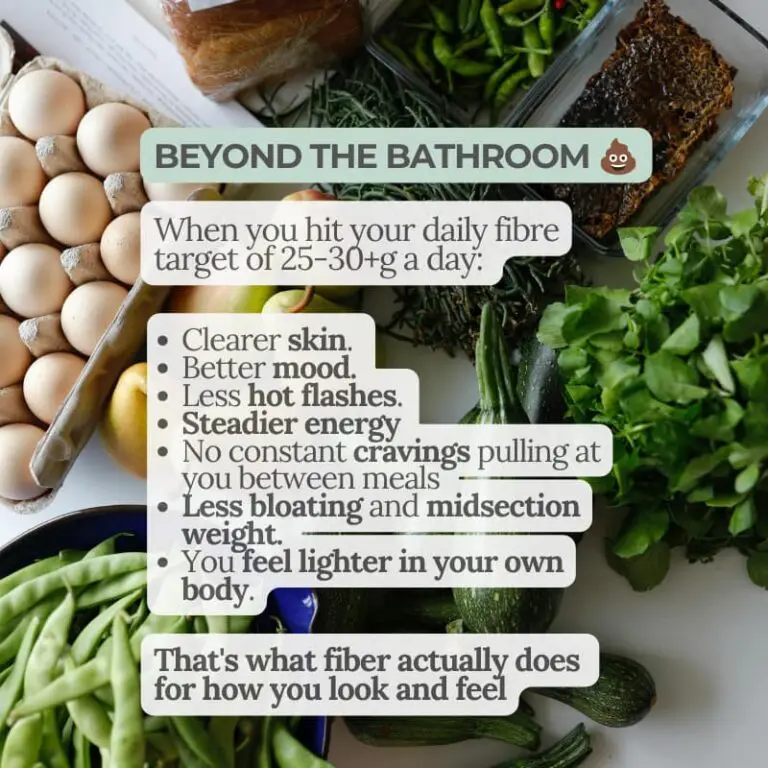
YOU NEED BOTH: SOLUBLE & INSOLUBLE WORKING TOGETHER
There isn’t one “best” fiber, and this is important. Your gut needs both forms working together to support your hormones and your nervous system.
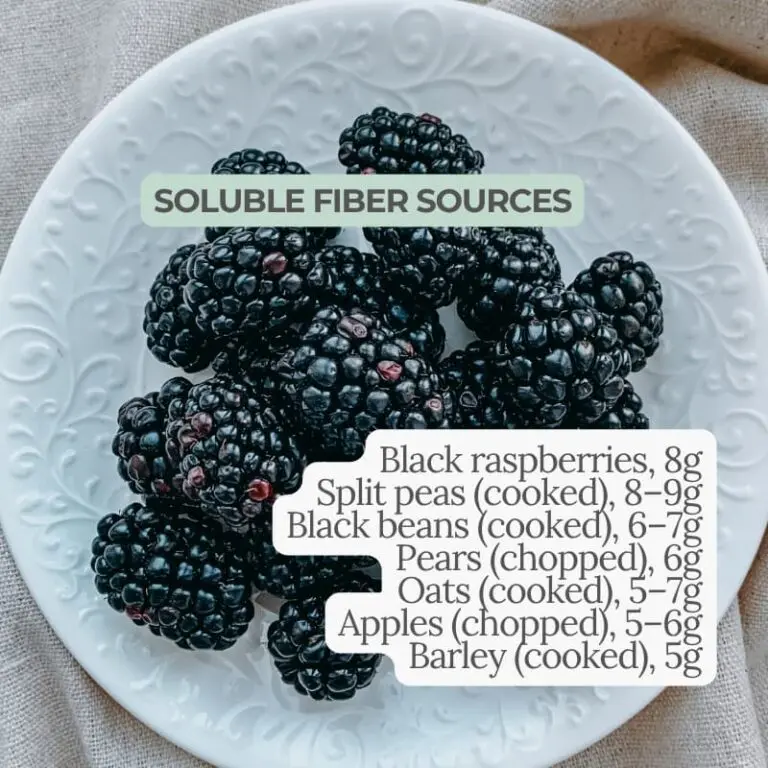
Soluble fiber dissolves in water during digestion. It slows things down. That means steadier energy all day, no 3pm crash, and way less bloating. It also feeds your good gut bacteria, which is what your hormones need to metabolize properly.
Think of soluble fiber sources:
oats, beans, berries, apples, pears, barley. These are the ones that create that gentle, sustained support throughout your day.
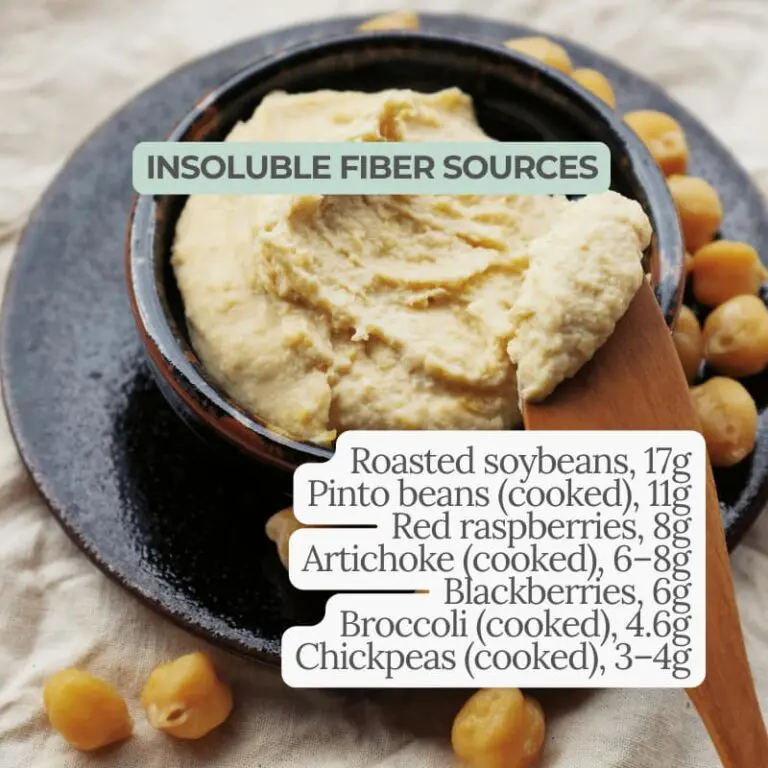
Insoluble fiber adds bulk and keeps things moving. This is what gets old hormones out of your body. Regular bowel movements, less bloating, clearer skin, better mood. When you’re getting enough insoluble fiber, you feel lighter in your own body.
Think of insoluble fiber sources:
vegetables, whole grains, broccoli, chickpeas, raspberries. These are the ones that add structure and keep your system flowing.
Your gut and your hormones work together. You need both forms supporting that feedback loop.
GREAT FIBER SOURCES (SOLUBLE & INSOLUBLE)
You have great options in both camps, and none of it needs to be fancy. Here are the highest fiber foods that actually fit into a real day.
WHAT YOU THINK FIBER IS VS. WHAT IT ACTUALLY IS
Women come to me thinking they’re getting fiber when they’re not even close. Let me bust the biggest myths.
You think: “I had a salad, so I got my fiber for the day.”
Reality: That salad is probably 3–4 grams of fiber. You need 30. A big leafy salad with greens and veggies is beautiful for nutrition, but it’s not your fiber anchor.
You think: “All fiber is the same. It’s just roughage that helps you poop.”
Reality: Soluble and insoluble fiber do completely different jobs in your body. One steadies your blood sugar and feeds good bacteria. The other clears hormones and keeps things moving. You need both types, and they work differently.
You think: “If I add more fiber, I’ll be bloated and uncomfortable.”
Reality: That happens when you add too much too fast or when you’re not hydrating. Your gut needs time to adapt. If you’re going from 10g to 30g overnight, yes, you’ll feel it. But gradual increases of a few grams every few days? Your body adjusts beautifully.
You think: “Fiber supplements count.”
Reality: Food first, always. A fiber supplement can help close the gap, but whole foods give you the full picture. The nutrients, the microbiome support, the actual satisfaction of eating real food.
AN EASY PLACE TO START
If adding fiber everywhere feels like a lot, start with one meal. Breakfast is perfect because it’s the one most women skip on fiber, even though it’s the one that steadies your whole day.
Start with a protein rich base like milk or a soy base, add a scoop of Greek yogurt or a little cottage cheese, and stir in seeds like hemp or chia. Top with berries and flax. Small additions that stack up to a smoothie that actually holds you to lunch instead of leaving you hunting the pantry by 10am.
The key is you’re not overhauling your diet.
You’re stacking fiber into meals you’re already eating! Add beans to your salad. Throw broccoli into dinner. Have raspberries as a snack instead of crackers. These aren’t complicated. They’re just intentional.
Want it Done for You?
Grab the Free 3-Day Sample Plan
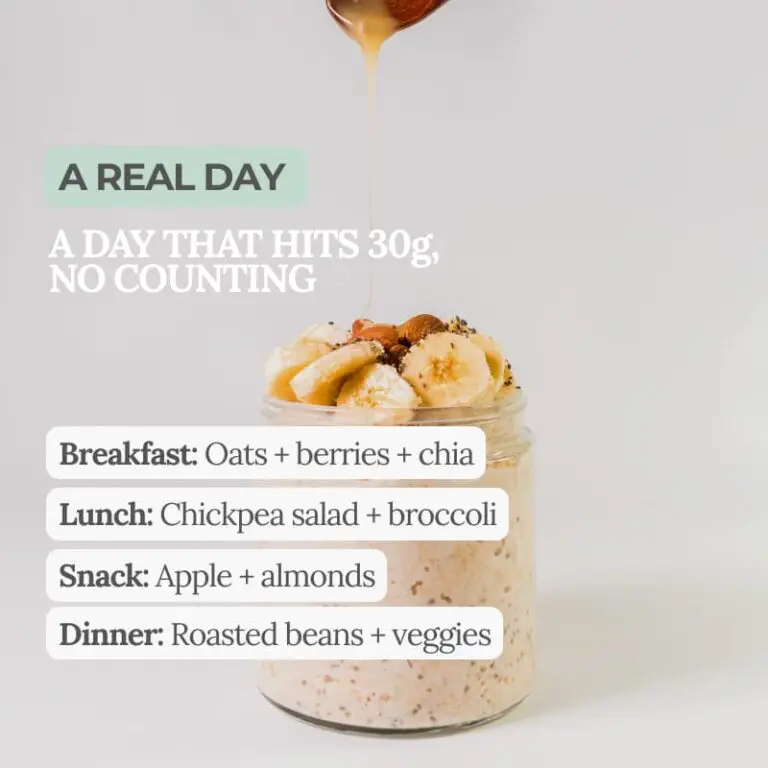
Want to see exactly what a day like this looks like? I put together a free 3 Day Sample Plan that hits 30g of fiber a day with real, everyday meals, no counting and no math to help you get in more fiber at your meals.
Ready to Go Deeper?
Want the recipes already built for you? This 101 page eBook has 80 bowls packed with everything you need: protein, fiber, and healthy fats in every single one. No guessing. No calculating. Just grab a recipe, make the bowl, and you’ve hit your 100–50–30 method. It’s done for you bowls that make your life easier.
The Feel Great in 8 Program:
And if you’d rather have it fully done for you, where every single meal is built to hit your 30 grams of fiber along with your 100g protein and 50g healthy fat, this is what we do inside Feel Great in 8. Every day you nail your 130–50–30 method without thinking about it. Your weekly menu shows up in your inbox. You just cook and feel good.
Join the Next Round! Only 40 Base Spots and 12 VIP Seats available each round.

References
Haver, M.C. (n.d.). The Pause Life: Expert guidance on perimenopause and menopause. Retrieved from thepauselife.com
Goyal, S. (2024). Why fiber is important for women: What gastroenterologist Dr. Sachin Goyal wants you to know. Caro on the Health.
Simpson, S.J., Raubenheimer, D., Black, K.I., & Conigrave, A.D. (2023). Weight gain during the menopause transition: Evidence for a mechanism dependent on protein leverage. British Journal of Obstetrics and Gynaecology, 130(1), 4–10.
Erdélyi, A., Pálfi, E., Tűű, L., Nas, K., Szűcs, Z., & Török, M. (2023). The importance of nutrition in menopause and perimenopause: A review. Nutrients, 16(1), 27
Charlton, K. (2023). Perimenopause protein myths and diet truths revealed. Goulburn Post.