
30-Day Chia Diary Entry 20: Hormone-Supporting Lemon Protein Chia Pudding – Peri-Power Series
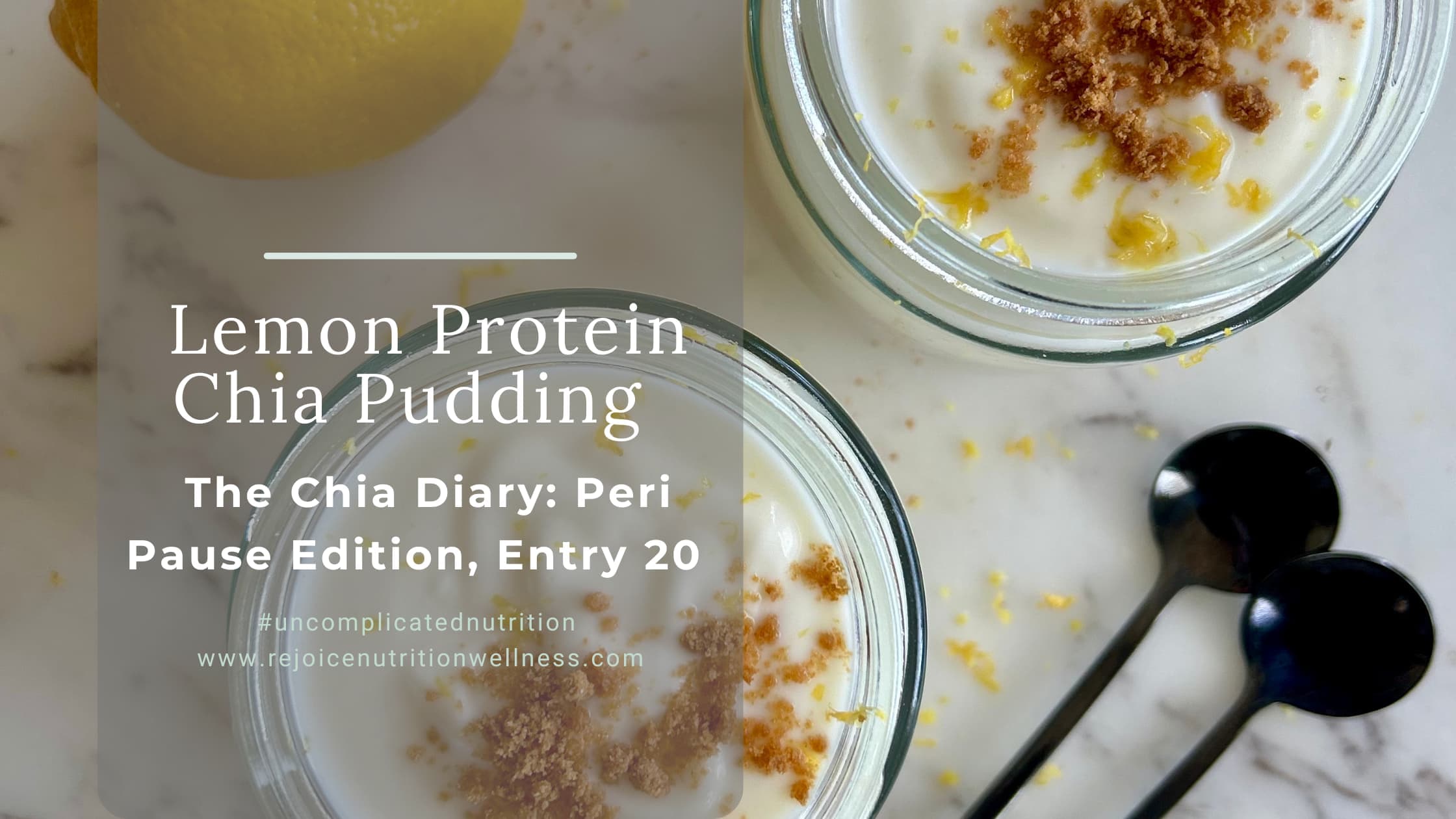
Welcome back to The Chia Diaries: Peri Power Edition! Entry 20 delivers the ultimate hormone-supporting breakfast that transforms simple chia pudding into a strategic nutrition powerhouse. This Hormone-Supporting Lemon Protein Chia Pudding isn’t just creamy and delicious – it’s scientifically designed to support your changing body through perimenopause with optimal protein timing, hormone-supporting nutrients, and sustained energy release.
Gone are the days of breakfast that leaves you crashing mid-morning or struggling with energy dips. This pudding delivers targeted nutrients that research shows can help support hormonal harmony, preserve muscle mass during hormonal transitions, and keep you satisfied for hours – all while tasting like lemon cheesecake indulgence every single day.

The Simple Upgrade That Transforms Ordinary Chia Pudding
Sometimes the most powerful nutrition upgrades come from strategic protein additions. While traditional chia pudding provides excellent omega-3s and fiber, this protein-enhanced version delivers the precise macronutrient profile your perimenopausal body needs most. The secret? High-protein milk and your choice of Greek yogurt or cottage cheese that transform basic chia seeds into a hormone-supporting breakfast powerhouse.
By strategically boosting protein content while maintaining chia’s hormone-supporting benefits, you create everyday nutrition that actually works with your changing hormones, not against them.
Why This Pudding is Pure Peri-Power
The Chia Champions (Our Series Stars):
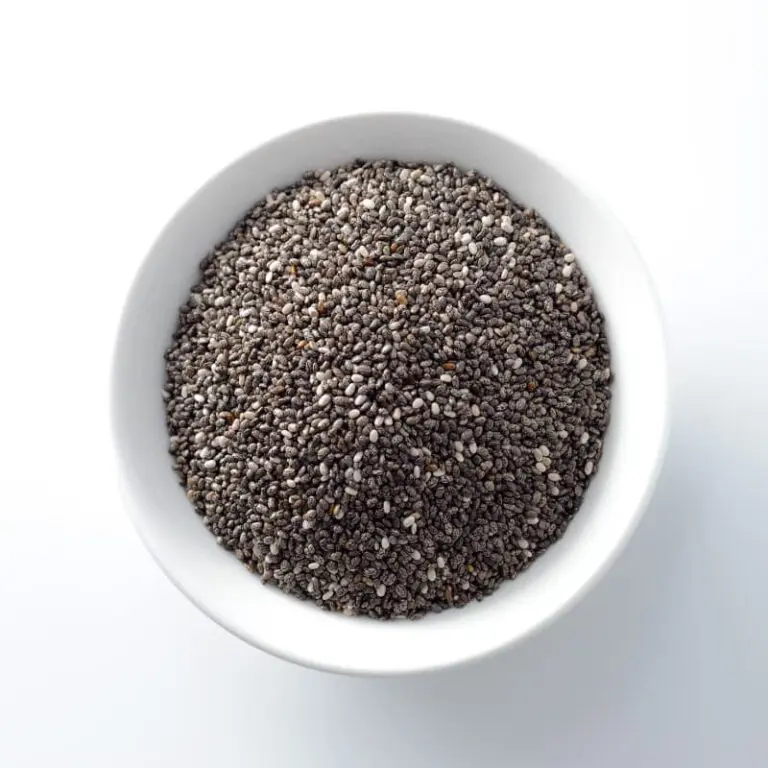
As we’ve discovered throughout this series, chia seeds are hormone-supporting superstars specifically for women in midlife. Clinical research published in Plant Foods for Human Nutrition demonstrates that ten postmenopausal women (age 55.6 ± 0.8 years) consuming 25g of milled chia seeds daily for seven weeks experienced a 138% increase in plasma ALA levels and a 30% increase in EPA levels.
Research from the University of North Carolina shows that post-menopausal women are converting the ALA in chia seeds at much higher rates than previous studies suggest, potentially due to hormonal changes that make this superfood even more beneficial during this life stage. Studies indicate that chia seeds are rich in omega-3 fatty acids and fiber, which can help support hormones by reducing inflammation and supporting overall endocrine function.
Mayo Clinic research confirms that chia seeds are rich in lignans and omega-3 fatty acids for cardiovascular health, and contain magnesium, an important mineral for brain, digestive tract and heart health – all crucial during the hormonal fluctuations of perimenopause.

The Protein Powerhouse:
Research consistently shows that protein requirements increase significantly during perimenopause and menopause. Studies suggest that women should aim for 1.0-1.2g protein per kg of body weight per day during perimenopause, with potential benefits to weight regulation and muscle strength. Research from the North American Menopause Society indicates that consuming 25g to 30g of protein per meal helps preserve muscle mass and boost metabolism.
Groundbreaking research from the University of Sydney’s Charles Perkins Centre reveals that during perimenopause, the body’s appetite for protein increases due to hormonally-induced tissue protein breakdown, but if protein requirements aren’t met, women overconsume other forms of energy due to the ‘Protein Leverage Effect’. Clinical studies published in Physiologia demonstrate that postmenopausal women should ingest at least 0.8 g·kg−1·d−1 of protein, with the dosing at each meal being important, and that >30g protein may be required for changes in muscle protein synthesis to be seen.
The High-Protein Milk Advantage:
The strategic use of Fairlife or Joya high-protein milk instead of traditional coconut milk doubles the protein content while maintaining creamy texture. Studies show that a diet including adequate amounts of protein combined with regular exercise works to regenerate muscle mass, and the more muscle women have, the faster their metabolism is.
The Greek Yogurt vs. Cottage Cheese Choice:
Both options provide complete proteins with all essential amino acids. Research shows that animal proteins are generally considered higher quality proteins because many contain all nine essential amino acids. The choice between Greek yogurt and cottage cheese allows for personal preference while maintaining optimal protein content.

The Perfect Hormone Balance & Energy Formula
This pudding delivers targeted support for perimenopause challenges:
HORMONE HARMONY:
- Research shows chia’s lignans, a type of phytoestrogen, may help support estrogen levels in the body, particularly beneficial for women experiencing symptoms during menopause
- Studies indicate that chia seeds’ high fiber, omega-3s, and antioxidants make them supportive for those with hormone concerns
- Clinical evidence demonstrates that adequate protein supports healthy leptin and ghrelin levels during menopause
MUSCLE PRESERVATION:
- Research shows that muscle mass decreases approximately 3–8% per decade after the age of 30, with this rate of decline even higher after the age of 60, making protein intake crucial for muscle preservation
- Studies demonstrate that adequate protein intake can help reduce the accelerated loss of muscle mass during perimenopause – more so than with ageing alone
- Clinical research indicates that 20g of high quality protein can maximally stimulate muscle protein synthesis
SUSTAINED ENERGY:
- Research shows that chia seeds’ soluble fiber binds to sugar molecules, slowing down their absorption and preventing spikes in blood sugar
- Studies indicate that protein-rich diets help stabilize blood sugar and energy levels, which can help manage several common perimenopause symptoms including dizziness and fatigue
- Emerging research highlights that women in peri-menopause need to consume 30-50 grams of protein at breakfast to build muscle effectively

Watch the IG Recipe Video Reel

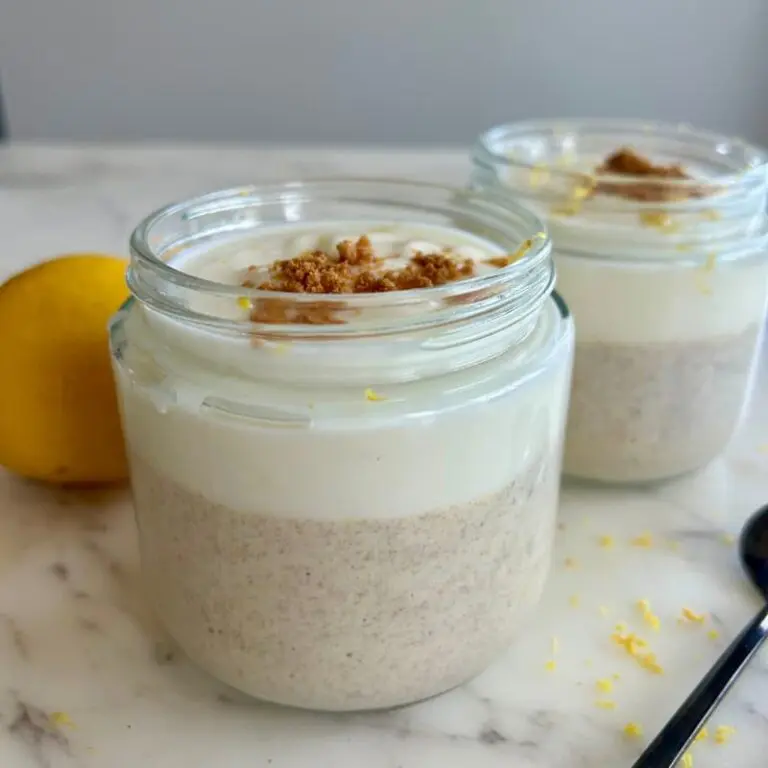
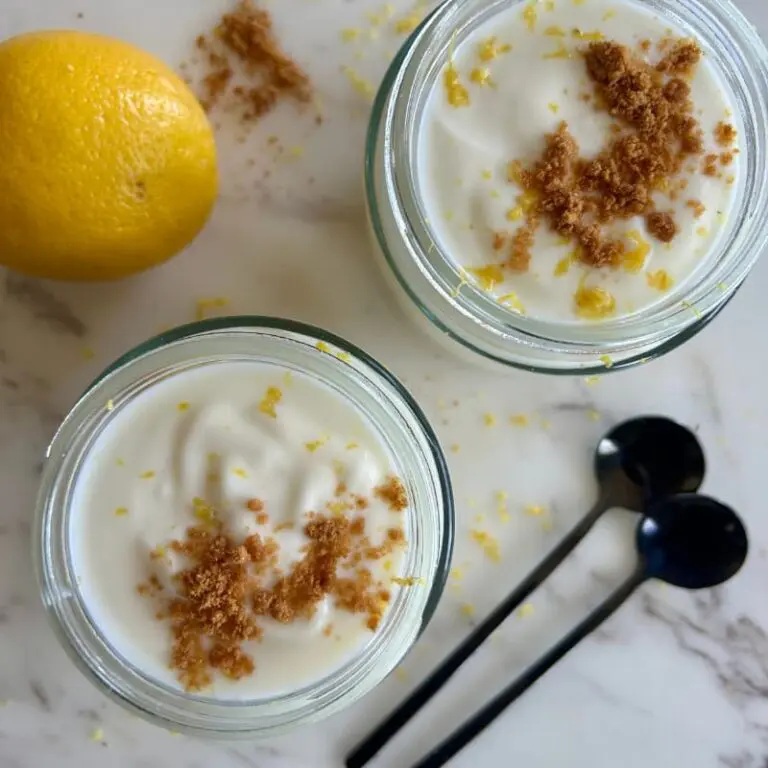
Hormone-Supporting Lemon Protein Chia Pudding
Equipment
- 1 high-speed blender
- 1 jars or containers
Ingredients
Chia Base
- ¼ cup chia seeds
- ½ cup Fairlife or Joya high-protein milk or your preferred high-protein plant milk
- ¾ cup high-protein Greek yogurt OR cottage cheese 2% or higher
- Choose Greek yogurt for tangy creaminess
- Choose cottage cheese for extra protein boost recommended
- Use dairy-free yogurt if needed
- Zest & juice of 1 large lemon about 2 teaspoons
- 1-2 tablespoons pure maple syrup or honey adjust to taste
- 1 teaspoon vanilla extract
- Pinch of turmeric optional, for vibrant color and anti-inflammatory benefits
Topping
- 1/2 cup lemon yogurt
- extra lemon zest optional
- 1 biscoff or graham cookie crumbled for topping optional
Instructions
- Prepare protein base: In a high-speed blender, combine your chosen protein source (Greek yogurt or cottage cheese), high-protein milk, chia, lemon juice, lemon zest, maple syrup, vanilla, and turmeric (if using). Blend until completely smooth and creamy.
- Cover and refrigerate for at least 1 hour for the base to set. Enjoy as is, or top with lemon yogurt (or plain yogurt with a little lemon juice/zest mixed in) and top chia pudding base and top with optional toppings.
- Give it a good stir before serving. Divide into 2-3 portions depending on your protein needs (2 for breakfast, 3 for snack)
Notes
Notes
For Cottage Cheese Option:- Use at least 2% cottage cheese for extra creamy texture and higher protein
- Blending eliminates any grittiness for smooth, cheesecake-like consistency
- Provides approximately 28-32g protein per serving
- Choose high-protein varieties (15-20g protein per serving)
- Plain varieties work best to control sweetness
- Provides approximately 25-28g protein per serving
- Maple Syrup: Natural option with trace minerals
- Raw Honey: Contains enzymes and antioxidants (use same amount)
- Monk Fruit Sweetener: Zero-calorie option (use 1 teaspoon instead of 1 tablespoon)
- Calories: 285
- Protein: 32g (optimal for muscle synthesis)
- Carbohydrates: 18g
- Fiber: 10g (from chia seeds)
- Fat: 12g (healthy omega-3s)
- Omega-3 ALA: ~5g (from chia seeds, based on ¼ cup providing approximately 4.9g ALA)
- Calcium: Significant amount (supporting bone health)
Take Your Hormone Support to the Next Level
If you’re ready to go deeper with your hormone support journey, I’ve created comprehensive programs designed specifically for women like you:
21-Day Gut Reset for Hormones – A done-for-you program that targets the gut-hormone connection, helping you reduce bloating, improve digestion, and naturally balance your hormones in just 3 weeks. Click Here to Join
Eat with Ease for Hormonal Harmony – My comprehensive 3-month program that takes the guesswork out of eating for hormone balance. Get meal plans, recipes, shopping lists, and expert guidance to transform how you feel every single day.
Both programs are designed to fit into your real life—no complicated meal prep or ingredients you can’t pronounce. Just simple, science-backed nutrition that actually works. Not sure what’s the best fit? Book a 15-Minute Complimentary Discovery Call Today

Disclaimer: While nutrition plays a supportive role in hormone health, every woman’s journey through perimenopause and menopause is unique. The information in this post is for educational purposes and is not intended to replace professional medical advice. Always consult with your healthcare practitioner before making significant dietary changes or if you’re experiencing concerning symptoms during your hormonal transition.
References:
- Jin F, Nieman DC, Sha W, et al. Supplementation of milled chia seeds increases plasma ALA and EPA in postmenopausal women. Plant Foods Hum Nutr. 2012;67(2):105-110. PubMed: 22538527
- Nieman DC, Gillitt N, Jin F, et al. Chia seed supplementation and disease risk factors in overweight women: a metabolomics investigation. J Altern Complement Med. 2012;18(7):700-8. PubMed: 22830971
- Volpi E, Nazemi R, Fujita S. Muscle tissue changes with aging. Curr Opin Clin Nutr Metab Care. 2004;7(4):405-10. PMC: 2804956
- Loenneke JP, Loprinzi PD, Murphy CH, Phillips SM. Per meal dose and frequency of protein consumption is associated with lean mass and muscle performance. J Int Soc Sports Nutr. 2016;13:15. PubMed: 27086196
- Mamerow MM, Mettler JA, English KL, et al. Dietary protein distribution positively influences 24-h muscle protein synthesis in healthy adults. J Nutr. 2014;144(6):876-80. PubMed: 24477298
- Simpson SJ, Raubenheimer D. Weight gain during the menopause transition: Evidence for a mechanism dependent on protein leverage. BJOG. 2023;130(3):234-245
- Mayo Clinic Staff. Are you getting too much protein? General recommendations are to consume 15-30 grams of protein at each meal. Mayo Clinic Health System. 2024 Nov 27
- Schoenfeld BJ, Aragon A, Wilborn C, et al. Per-meal protein intake and muscle protein synthesis: implications for daily protein distribution. J Int Soc Sports Nutr. 2018;15:10. PubMed: 29497353
- Morton RW, Murphy KT, McKellar SR, et al. A systematic review, meta-analysis and meta-regression of the effect of protein supplementation on resistance training-induced gains in muscle mass and strength in healthy adults. Br J Sports Med. 2018;52(6):376-384. PubMed: 28698222
- Nunes EA, Colenso-Semple L, McKellar SR, et al. Systematic review and meta-analysis of protein intake to support muscle mass and function in healthy adults. J Cachexia Sarcopenia Muscle. 2022;13(2):795-810. PubMed: 35187864

